How we research: this guide is based on manufacturer specifications, published data and verified customer feedback. Products are not personally tested unless marked “Tested by us”. Our process.
We may earn a commission when you buy through links on this site, at no extra cost to you. As an Amazon Associate I earn from qualifying purchases.
Garden tools are easy to overbuy and easy to underbuy. Most homeowners need a small core kit: something to dig, something to cut, something to pull weeds, and something to water. Add spreading gear only if you actually apply seed, fertilizer, or similar materials.
If you are buying for a new gardener, our Best Gifts for Gardeners in 2026 roundup is a quick shortcut. A practical starter setup usually covers those jobs with a trowel, pruning shears, a hose or sprinkler, and a weed puller if you have taproot weeds. If watering is your main need, start with best garden hose picks and best lawn sprinkler picks; if you want a more permanent setup, see best sprinkler system picks. For cutting, compare best pruning shears.
For the broader yard-care setup, the bigger decisions live in lawn mower buying guide and lawn care guides.
Quick picks
Comparison table
| Type | Best for | Main trade-off | What to compare | Check price |
|---|---|---|---|---|
| Hand trowel / starter set | Planting, transplanting, and small digging jobs | Compact and useful, but not for heavy digging | Head material, handle comfort, rust resistance | — |
| Bypass pruner / secateurs | Live stems and light woody growth | Limited by hand size and cutting capacity | Blade quality, lock, weight, and fit | — |
| Stand-up weed puller | Taproot weeds without bending | Best in workable soil; slower in hard or rocky ground | Footrest, leverage, and release mechanism | AmazoneBay |
| Hose | Daily watering, rinsing tools, and spot irrigation | Can kink or feel heavy if you choose poorly | Length, couplings, flexibility, and storage | — |
| Sprinkler | Broader watering coverage for lawns and beds | Less precise than hand watering | Coverage pattern, reach, and placement | — |
| Broadcast spreader | Seed, fertilizer, and other granular applications | Needs consistent walking speed and cleanup after use | Control settings, hopper size, and calibration | — |
Our picks in detail
Fiskars Big Grip Trowel
Best for: Transplanting, container gardening, and close-up digging
A current Fiskars trowel built for close work in beds and containers.
It uses an extra-large SoftGrip handle for easier control and comfort.
The polished cast-aluminum head has a sharpened blade edge, plus a hang hole and lifetime warranty.
- Article number
- 370730-1002
- Handle
- Extra-large SoftGrip handle
- Head
- Polished cast-aluminum head
- Edge
- Sharpened blade edge
- Warranty
- Lifetime warranty
Pros
- Comfortable oversized grip for close-up work
- Useful for planting, potting, and small root work
- Simple, durable design with a lifetime warranty
Cons
- A single-purpose tool, so it will not replace a full kit
- Not the right choice for larger digging jobs
- If you need more than a trowel, pair it with a transplanter or cultivator
Skip it if: you want a full starter kit or need a tool for heavy digging and prying.
Fiskars Gardening Hand Tool Set (3 Piece) / 200S
Best for: Beginners who want a current three-piece starter kit for common bed tasks
A current Fiskars U.S. starter set with a trowel, transplanter, and cultivator.
Cast-aluminum heads and forked tines are built for rust resistance.
SoftGrip ergonomic handles and a lifetime warranty make it a practical basics-first buy.
- Article number
- 373770-1001
- Set size
- 3-piece set
- Included tools
- Trowel, transplanter, and cultivator
- Heads
- Cast-aluminum heads with forked tines
- Handles
- SoftGrip ergonomic handles
- Warranty
- Lifetime warranty
Pros
- Covers three core hand-garden tasks in one buy
- Cast-aluminum heads and forked tines are built for rust resistance
- SoftGrip handles are designed for comfortable everyday use
Cons
- Light-duty set, so it is not intended for heavy prying
- Not as specialized as buying each tool separately
- You may still want a separate pruner for cutting work
Skip it if: you already own one or more of the three tools and only need to replace a single favorite.
Fiskars Stand-up Weed Puller (4-claw)
Best for: No-bend weed removal in soft to moderately firm soil
A stand-up weed puller with a 39.25-inch length and a four-claw head.
The serrated stainless-steel claws, offset handle, viewing window, and easy-eject mechanism are designed to simplify cleanup.
It is built for weed removal without constant kneeling or bending.
What owners mention: Verified owners commonly praise the back- and knee-saving design and the clean removal of taproot weeds. Complaints mostly mention the foot pedal/platform durability, weaker results in hard or clay soil, and limited usefulness on bindweed or other shallow-spreading roots.
- Article number
- 339950-1001
- Length
- 39.25 in
- Claws
- Four serrated stainless-steel claws
- Design
- Offset handle, viewing window, and easy-eject mechanism
- Warranty
- Lifetime warranty
Pros
- Helps remove weeds without constant bending
- Manual design avoids herbicide use
- Good fit for taproot weeds in workable soil
Cons
- Less effective in hard, rocky, or very compacted soil
- Can feel awkward if you are new to the motion
- The best results come when the soil gives the claws something to grip
Skip it if: your soil is usually hard, rocky, or compacted, or if most of your weeds are shallow-spreading rather than taprooted.
FELCO 2 Pruner
Best for: Right-hand users with larger hands who want a durable bypass pruner for live stems
A classic bypass pruner known for clean cuts on live growth.
Forged aluminum handles and a hardened steel blade are built for durability.
The tool is made in Switzerland, has replaceable parts, and is backed by a lifetime warranty.
What owners mention: Verified owners and reviewers consistently praise the cut quality and the durable, repairable build. The main cautions are fit: it is a right-hand, large-hand pruner, and some shoppers see it as a premium-end buy.
- Model
- F2
- Cutting diameter
- 0.98 in
- Length
- 8.46 in
- Weight
- 0.55 lb
- Hand size
- Large
- Handedness
- Right-hand
- Handles
- Forged aluminum
- Blade
- Hardened steel
- Parts
- Replaceable parts
- Origin
- Made in Switzerland
- Warranty
- Lifetime warranty
Pros
- Bypass action is well suited to live stems
- Lightweight enough for regular use
- Replaceable parts support long-term ownership
Cons
- Sized for right-hand users with larger hands, so fit matters
- Not meant for thicker branches beyond its cutting capacity
- May feel like too much tool if you only prune occasionally
Skip it if: you need a left-handed pruner, have small hands, or mostly cut material beyond its capacity.
Start with the job, not the shelf
Garden tools make the most sense when you match them to the jobs you actually repeat. A small kit for bed work looks very different from a setup for larger lawns, frequent watering, or regular pruning.
Tip: If you only repeat one or two chores, buy the tool that solves those jobs cleanly instead of a bigger kit with extras you will not use.
If your list is mostly planting and pruning, a trowel plus best pruning shears often beats a bulky multi-piece kit.
- Digging and transplanting need a trowel or starter set.
- Pruning needs a bypass pruner or pruning shears that fit your hand.
- Watering points to a hose or sprinkler.
- Spreading seed or fertilizer points to a broadcast spreader.
Hoses and sprinklers: choose how you water
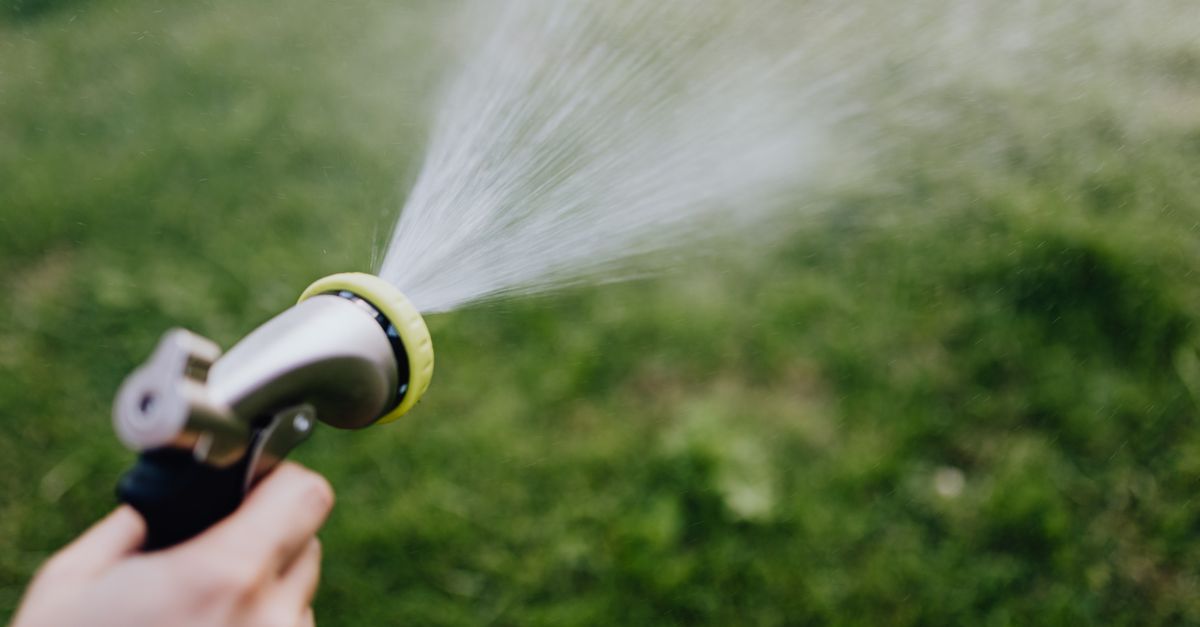
Hoses give you the most control because you decide exactly where the water goes. Sprinklers are better when you want broader coverage and do not want to stand there with the nozzle the whole time.
If you water a lawn on a schedule, compare best sprinkler system picks with best lawn sprinkler picks. If you are mostly hand watering, start with best garden hose picks and use how long to water your lawn as a timing guide.
Good to know: Hoses give you control, sprinklers give you coverage, and the better pick is the one you are most likely to uncoil and use.
- Get only as much hose as your farthest bed or spigot setup requires.
- Check couplings and threads so the hose is easy to attach and remove.
- Match a sprinkler's coverage pattern to the area you want to water.
- Choose convenience you will actually use instead of a bigger setup that stays coiled in the garage.
Spreaders: use them when even coverage matters
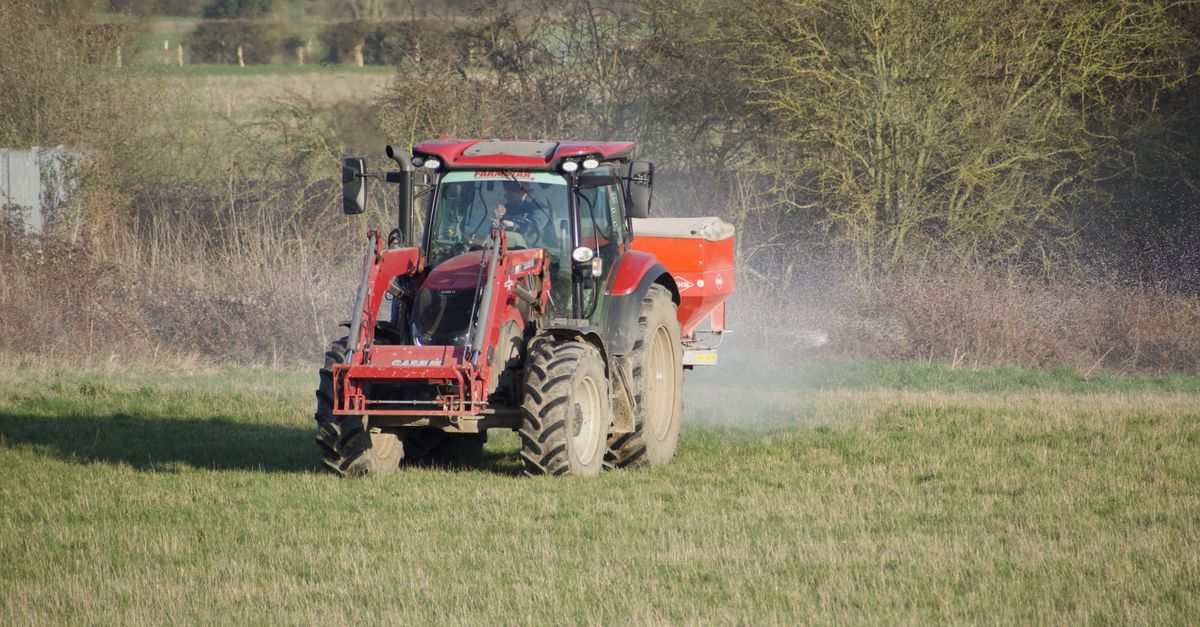
A broadcast spreader is the right tool when you want even distribution over a larger area, such as seed, fertilizer, or other granular materials. If you want current options, compare best broadcast spreader picks before you choose.
If you are overseeding, pair a spreader with the how to overseed a lawn guide and the grass seed calculator so you buy and apply the right amount. If fertilizing is the task, check when to fertilize your lawn before you spread anything.
- Best for open spaces where you can walk steady passes.
- Less useful for tiny spots, tight beds, or small patch jobs.
- Calibrate the spreader if the manual says to.
- For fertilizers and weed killers, follow the label directions exactly.
Digging and transplanting: trowels and starter sets
For planting bulbs, moving seedlings, or loosening soil in containers and beds, a trowel is the workhorse.
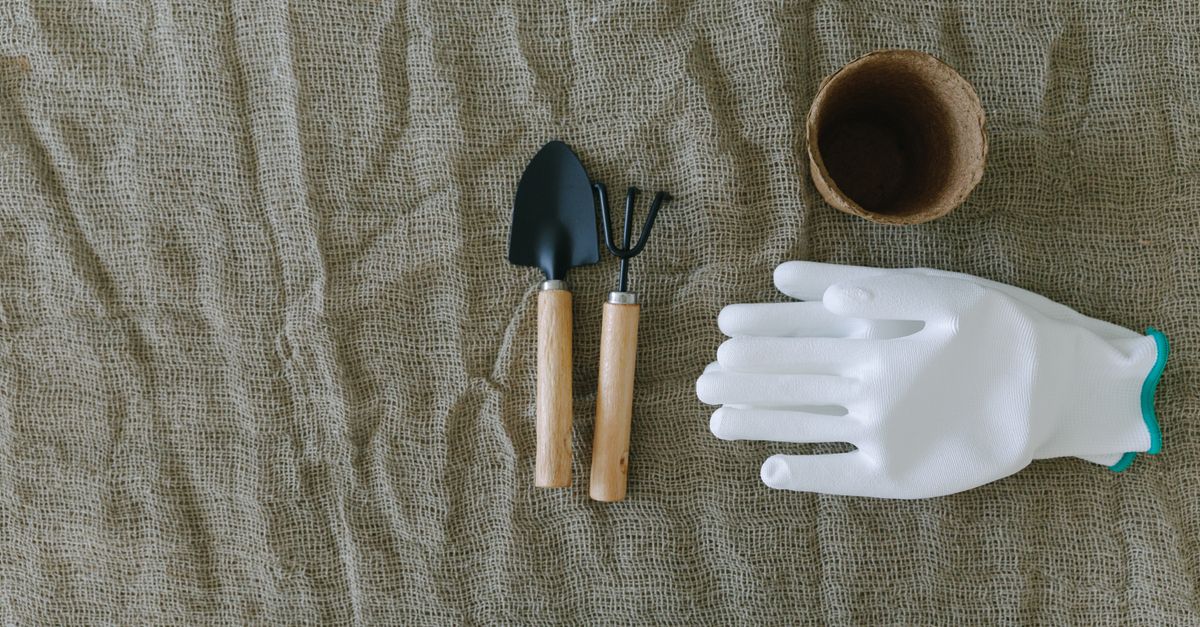
The Fiskars Big Grip Trowel is a strong example, with an extra-large SoftGrip handle and a polished cast-aluminum head that is built for close work. If you want a simple starter kit, the Fiskars Gardening Hand Tool Set (3 Piece) / 200S bundles the three basics: a trowel, transplanter, and cultivator.
Older retailer listings may use different bundle names, so match the current Fiskars set by the included tools rather than the marketing copy.
- A comfortable handle matters as much as the blade or head.
- A trowel should feel easy to control when soil is compacted or rooty.
- Buy a set if you want the basics at once; buy a single tool if you already know what you use most.
- For a small kit, make sure every tool earns its place.
How to spot a useful starter set
A useful set covers common jobs without padding the box with novelty extras. If a bundle includes a lot of add-ons but only weak versions of the tools you will use every week, it is not really a better buy.
- Look for the three core hand tools first: trowel, transplanter, and cultivator.
- Choose rust-resistant or easy-to-clean heads and handles that do not slip.
- Skip oversized gadgets that try to do every job at once.
- If you also need cutting tools, compare best pruning shears separately.
Pruning and weed removal: cut cleanly, pull efficiently
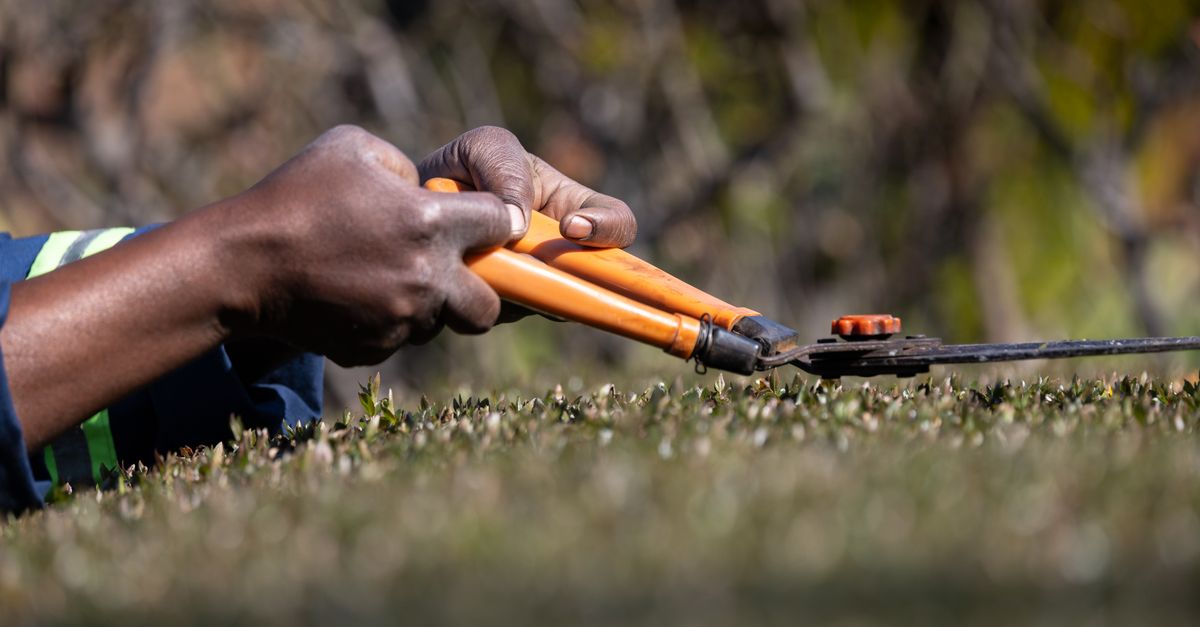
Bypass pruners are usually the best choice for live stems because the blades pass each other and make a cleaner cut. The FELCO 2 Pruner is a classic example, with forged aluminum handles, a hardened steel blade, a 0.98-inch cutting diameter, and replaceable parts. If pruning is a big part of your yard routine, compare best pruning shears and choose the grip size that matches your hand.
For weeds with a taproot, a stand-up tool can save your back. The Fiskars Stand-up Weed Puller (4-claw) uses a four-claw head, a 39.25-inch handle, a viewing window, and an easy-eject mechanism. It is a good fit when you want less bending, but it can take a little practice to use well.
Watch out: Stand-up weed pullers work best in soft to moderately firm soil, and hard or clay-heavy ground may need watering first.
- Use bypass pruners on live growth, not on thick dead wood that needs a different tool.
- Check hand size and handedness before you buy a pruner.
- Stand-up weed pullers work best when the soil is workable.
- Performance drops when the ground is hard, rocky, or compacted.
Why repairability matters on pruners
A pruner that can be serviced is usually a better long-term buy than a pruner that gets tossed when one small part wears out. Replaceable blades, springs, and screws are worth paying attention to.
- Look for a clear path to sharpening or replacing parts.
- Choose a tool that feels balanced in the hand before you chase extra features.
- Treat sharp blades carefully during cleaning and storage.
Materials, ergonomics, and long-term care
The best garden tools feel sturdy but not fussy. Rust-resistant metal, comfortable grips, and a blade or head that cleans off easily matter more than flashy extras.
Repairability and replacement parts are worth attention, especially on pruners. A tool you can service, sharpen, or keep in rotation is usually a better long-term buy than a tool with extra molded-on features.
Use gloves and eye protection when digging or pruning, and keep sharp tools covered or sheathed before you store them.
- Clean soil off after use and dry metal parts before storage.
- Cover or sheath sharp tools before putting them away.
- Choose handles that fit your hand instead of forcing a grip.
- Buy fewer tools if you garden lightly; buy more only when the work keeps coming up.
Maintenance basics that keep tools useful
The easiest way to make a garden tool last is to keep it clean, dry, and stored where it will not bang around against harder metal or concrete.
- Rinse off sap and soil before it dries.
- Dry steel parts before putting tools away.
- Follow the maker's instructions for sharpening and replacement parts.
FAQ
What garden tools should a beginner buy first?
Start with a trowel, a pruning tool, and a way to water. If you are buying for a new gardener, the Best Gifts for Gardeners in 2026 roundup is a simple shortcut. If you also have a lot of weeds or need to apply seed or fertilizer, add a weed puller or spreader after the basics.
Is it better to buy a garden tool set or individual tools?
A set is a good choice if you are starting from zero and mostly do light-duty work. Individual tools make more sense if you already know what feels best or want to upgrade one job at a time.
What should a useful starter garden tool set include?
At minimum, a useful starter set should include a trowel, transplanter, and cultivator. If pruning is part of your routine, add a separate tool from our best pruning shears page instead of padding the set with gimmicks.
What is the difference between bypass and anvil pruners?
Bypass pruners have two blades that pass each other and are usually preferred for live stems because they make cleaner cuts. Anvil pruners are a different style and are better suited to some tougher, dry material.
When does a stand-up weed puller make sense?
It makes sense when you want to remove weeds without kneeling or bending much, especially if the soil is workable enough for the tool to grip the root. If your weeds are scattered across a larger lawn, you may not need a weed puller at all; if you are also seeding or feeding the lawn, compare a best broadcast spreader.
What should I look for in a garden hose?
Choose enough length for your farthest watering point, a hose that is easy to coil and store, and couplings that are simple to attach and remove. Flexibility and kink resistance matter too, and our best garden hose picks page is the easiest way to compare current options.
Do I need a broadcast spreader?
If you regularly apply seed, fertilizer, or other granular materials over larger open areas, a broadcast spreader can make the job more even and less tiring. For small spots, hand application may be enough.
What makes a garden tool worth paying more for?
Comfort, durability, and serviceability. A well-fitting handle, rust-resistant metal, and parts you can maintain or replace usually matter more than decorative extras.
How do I keep garden tools in good shape?
Clean off soil after use, dry metal parts before storage, and keep sharp tools covered or sheathed. For any powered yard equipment, follow the manufacturer manual for use, storage, and maintenance.
The bottom line
A good garden-tool kit is less about owning a lot of stuff and more about owning the right few tools. Start with the jobs you repeat, choose tools that fit your hands and your storage space, and add specialty pieces only when they solve a real chore.
If watering or spreading is next on your list, move on to our best garden hose picks, best lawn sprinkler picks, best sprinkler system picks, and best broadcast spreader picks. If cutting is next, compare best pruning shears. For the broader yard-care setup, the robot mower buying guide and trimmers and blowers buying guide are the best next stops.